Indian hip-hop has witnessed its share of conflicts, but nothing quite compares to the ongoing saga between Divine and Emiway Bantai. This isn’t your typical rap beef fueled by ego and Instagram comments. This is a philosophical war about what Indian hip-hop should be, who gets to define it, and whether making it to the global stage means selling out the gully that raised you.
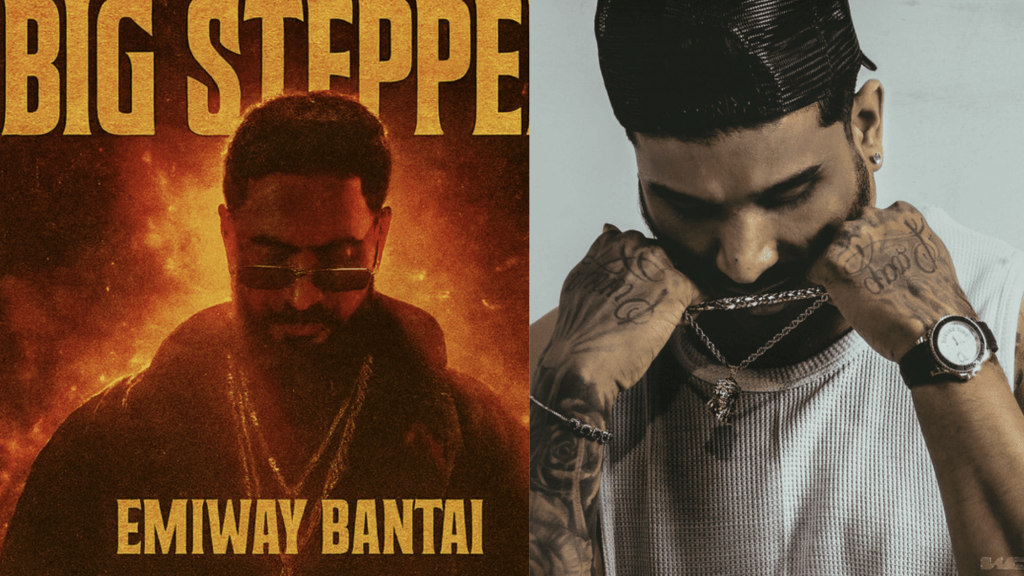
As December 2025 closes out, the beef has reignited with Emiway’s explosive eight-minute diss track “Big Stepper,” and the DHH community is watching closely to see if Divine will respond or let silence speak for itself. Let’s break down how we got here, what’s really at stake, and why this rivalry matters beyond just two artists trading bars.
The Players: Two Different Paths to the Same Game
Divine: The Architect Who Built Bridges to the World
Vivian Fernandes, better known as Divine, didn’t just put Indian hip-hop on the map. He redrew the map entirely. Coming up from Andheri’s streets, Divine hit different from day one. “Yeh Mera Bombay” in 2013 was the introduction, but “Mere Gully Mein” with Naezy in 2015 was the moment that changed everything. That track didn’t just go viral, it became the foundation for Gully Boy, the Bollywood film that brought underground rap to mainstream India.
Divine’s trajectory reads like a strategic masterclass. The Mass Appeal India deal in 2019 linked him directly to Nas, one of hip-hop’s greatest architects. His debut album Kohinoor went multi-platinum and showcased a rapper who could blend Hindi and English seamlessly while addressing real social issues. He founded Gully Gang Entertainment, becoming a curator and gatekeeper of talent. By 2022, he was at the Grammys, the first Indian hip-hop artist to walk that red carpet.
Albums like Punya Paap and Gunehgar proved Divine wasn’t just riding the wave, he was building infrastructure. Lyrically sophisticated, production-heavy, globally connected. This is the artist who believes quality, strategy, and international legitimacy define success.
Emiway Bantai: The Independent Hustler Who Built His Own Empire
Bilal Shaikh took a completely different route. As Emiway Bantai, the name combining inspiration from Eminem with his own path forward, he built his career on YouTube when the platform was still considered second-tier for “serious” artists. His 2013 debut “Glint Lock” and 2014’s “Aur Bantai” established his presence, but it was his relentless output and willingness to engage in beef culture that made him a phenomenon.
Emiway’s 2018 beef with Raftaar, producing tracks like “Samajh Mein Aaya Kya,” proved he wasn’t afraid to challenge established names. When “Machayenge” and “Firse Machayenge” each crossed 100 million views, he demonstrated something crucial: independent artists could build massive audiences without label machinery. His MTV Europe Music Award for Best Indian Act in 2019 came not from industry connections but from pure fan engagement.
This is the artist who represents the YouTube generation direct to fan, no intermediaries, no compromises. To his supporters, Emiway is the genuine article. To his critics, he’s a view-chasing YouTuber who prioritizes quantity over quality.
The Origin Story: When Subliminals Became Personal (2018-2019)
The beef didn’t start with diss tracks it started with whispers and subliminals. Around 2018, Divine performed alongside Raftaar and made a pointed comment about “EMI” being in Emiway’s name, questioning whether someone with a corporate music label reference in their artist name could claim authenticity. It was a subtle dig, the kind that burns slow.
Divine incorporated these criticisms into “Remand,” a track from Kohinoor. The core argument was simple but devastating: there’s a difference between being a YouTuber and being a musician. One chases views; the other creates art. One measures success in clicks; the other measures it in cultural impact.
For nearly two years, this tension simmered beneath the surface. Both artists maintained public cordiality while privately harboring resentment. It was the calm before the storm.
April 2020: When the Diss Tracks Started Flying
Divine Throws the First Public Shot
In April 2020, during an Instagram live session, Divine broke his silence. He called out artists who claimed to be the biggest based purely on YouTube metrics, stating clearly that his album had generated over 80 million streams and emphasizing the distinction between YouTubers and musicians. This wasn’t subliminal anymore this was a direct challenge.
Emiway Responds with “Hard”
Within days, Emiway dropped “Hard,” a three-minute response that flipped the script. He questioned Divine’s output, pointing out that he’d released six tracks in 35 days while Divine was talking about quality over quantity. The track demonstrated Emiway’s work ethic and technical ability.
But one line became controversial: “Jingle Bell & Merry Christmas.” Divine interpreted this as religious mockery, given his Christian background. Whether intentional or not, this lyric became the flashpoint that escalated everything.
Divine Delivers a Devastating Counter-Punch
Divine didn’t respond with one track he dropped two. “Chaabi Wala Bandar” (literally “Key-Operated Monkey,” referencing a battery-powered toy) was particularly brutal, suggesting Emiway was artificial and mechanical rather than authentic. Divine accused Emiway of years of jealousy and reminded everyone that he was the one who brought Bollywood attention to the underground scene.
“Sach Bol Patta” continued the assault, establishing Divine’s lyrical and production superiority. These were Divine’s first-ever diss tracks, which made them significant he was showing he could engage in warfare when necessary.
Emiway’s Final Response: “Gully Ka Kutta”
Emiway fired back with “Gully Ka Kutta,” matching Divine’s energy and proving he could hang technically. The community was riveted. The score felt even: both artists had landed significant blows.
The Truce (Or So It Seemed)
On April 26, 2020, just ten days into the war, Emiway invited Divine to an Instagram live session. He clarified the “Jingle Bell” line, explaining his multicultural family background and stating he would never mock anyone’s religion. Divine accepted the explanation.
Both artists agreed that diss culture was counterproductive for the industry’s growth. They acknowledged the entertainment value of the three tracks but called for peace. They asked fans to respect Mumbai and stay safe during the pandemic.
The beef appeared to be over. But appearances can be deceiving.
The Subliminal Years: 2020-2025
Here’s where the story gets messy. After the public truce, Divine allegedly continued making subliminal references to Emiway in his subsequent albums. In Punya Paap (2020) and Gunehgar (2022), the community identified multiple indirect shots. When confronted in DMs, Divine reportedly denied these were about Emiway.
This created a pattern that many saw as hypocritical: Divine publicly preached about unity and the “Parivaar” (family) concept in hip-hop while privately maintaining competitive hostility. He avoided publicly acknowledging Emiway’s contributions to Indian rap while sublimally dissing him in tracks.
For five years, this continued. Divine maintained his public image as the elder statesman above petty beef while allegedly taking shots behind the scenes. To many observers, this behavior contradicted the authenticity he preached in his lyrics.
December 2025: The Beef Reignites with “Big Stepper”
The Trigger
As Divine prepared to launch his album “Walking on Water” on December 18, 2025, something snapped. Whether it was additional subliminal shots during the album rollout, an incident at an industry event, or simply accumulated frustration, Emiway decided he was done playing nice.
“Big Stepper”: Eight Minutes of Truth-Telling
On December 27-28, 2025, Emiway released “Big Stepper,” an approximately eight-minute diss track that systematically dismantled Divine’s public image. This wasn’t just another beef track—it was an indictment.
Emiway called out the core hypocrisy: making subliminal shots while claiming friendship in private messages. He questioned why Divine avoided publicly recognizing his contributions while maintaining private contact. He addressed specific bars from Divine’s “3:59 AM” track from Punya Paap, a song he’d apparently wanted to respond to for years.
The track positioned Emiway as the “Big Stepper”, the one taking genuine strides in hip-hop without label backing or pretense. According to community analysis, Emiway matched Divine’s flow and cadence from “3:59 AM” in certain sections, creating a direct musical parallel that demonstrated technical capability while calling out hypocrisy.
The DHH community’s reaction has been engaged and thoughtful. Many observers rated “Big Stepper” highly, noting that while it may lack the raw aggression of Emiway’s beef with KR$NA, it articulates a narrative many suspected: Divine’s public persona contradicts his private behavior.
What This Beef Really Represents
This rivalry is bigger than two artists trading bars. It represents fundamental tensions in how Indian hip-hop defines itself.
The Label vs. Independent Divide
Divine represents the institutional path: major label backing, international recognition, strategic positioning, high-production value. He elevated Indian hip-hop through quality and global connections.
Emiway represents the grassroots path: YouTube-powered, independent, direct fan engagement, relentless output. He proved you could build a massive audience without label infrastructure.
Both paths have merit. Both have produced success. But they’re philosophically incompatible when it comes to defining what “real” hip-hop looks like.
Authenticity: Who Gets to Define It?
Divine claims authenticity through lyrical depth, production quality, and international legitimacy. He brought credibility to Indian hip-hop globally.
Emiway claims authenticity through independence, direct fan engagement, and willingness to engage in beef culture, which he views as a legitimate hip-hop tradition. He built without gatekeepers.
The question isn’t who’s right—it’s whether Indian hip-hop is big enough for both definitions to coexist.
What Happens Next?
As of late December 2025, Divine hasn’t responded to “Big Stepper.” The community is watching closely. Will he respond aggressively, potentially creating the most significant diss war since Emiway vs. KR$NA? Will he ignore it, risking the perception that he’s tacitly admitting hypocrisy? Or will he take a third path—acknowledging the criticism while maintaining his position?
This beef has exposed fundamental questions about Indian hip-hop’s future. As the scene grows, can it accommodate both label-backed artists with global ambitions and independent hustlers building direct fan relationships? Can elder statesmen preach unity while maintaining competitive rivalries? And most importantly, what does it mean to represent the gully when you’re walking red carpets in Los Angeles?
The Divine vs. Emiway beef isn’t just entertainment—it’s a mirror reflecting Indian hip-hop’s growing pains as it transitions from underground movement to mainstream force. Both artists have contributed immensely to the culture. Both have legitimate claims to their respective thrones.
But in hip-hop, two kings can’t occupy the same space forever. Eventually, someone has to step forward, and someone has to step back.
The question is: who’s really the Big Stepper?
As this story continues to develop, one thing is certain: Indian hip-hop has evolved beyond the point where these conflicts can be easily resolved. The scene is too big, the stakes are too high, and the philosophical divides run too deep. Whether this beef ends in reconciliation or escalation, it will shape the trajectory of Desi hip-hop for years to come.
 Desi Rap Scene
Leave a comment